
The First Steps Toward Getting Help for Gambling Harm
The distance between recognising a gambling problem and actually doing something about it can feel enormous. Many people carry the awareness quietly for months or years, held back not by a lack of desire to change but by shame, uncertainty about what help involves, and the fear that asking makes the problem real. Yet the first steps toward getting help are far less daunting than they appear from the outside, and they are the moment at which everything can begin to change. This is a plain, reassuring account of what getting help actually looks like — not the abstract idea of it, but the concrete, human first steps — for anyone in Australia who has begun to wonder whether it is time.
The hardest step is the first one
It is worth naming, honestly, that the hardest part of getting help is usually admitting to yourself that you need it. Gambling harm develops quietly, wrapped in denial and rationalisation, and acknowledging it can feel like a defeat. But it is the opposite. Recognising the problem is not a sign of weakness or failure; it is an act of courage and the single most important step toward recovery. Everything that follows depends on it, and it is entirely within your power, right now, regardless of how far things have gone.
Part of what makes this step so hard is shame, and shame thrives in silence. Gambling harm carries a heavy stigma, and the instinct is to hide it — from family, from friends, from oneself. But that secrecy is exactly what keeps the problem going, and breaking it, even in the smallest way, is where recovery begins. You do not have to have everything figured out to take this step. You only have to be honest with yourself that something is wrong and that you would like it to be different. That honesty, quietly held, is the beginning, and it is enough to start.
What reaching out actually involves
For many people, the fear of reaching out is worse than the reality, because they imagine it requires some dramatic confession or an overwhelming commitment. It does not. The first contact can be as simple and low-pressure as a confidential phone call or an online chat with a support service, where you can talk to someone who understands, without judgement, and without having to have decided anything. You are not signing up for a program or committing to a course of action by making that first call; you are simply starting a conversation.
This matters because it lowers the barrier enormously. In Australia, the National Gambling Helpline is available free, at any hour, on 1800 858 858, and speaking to a trained counsellor there is often the gentlest possible first step. The person on the other end has heard from thousands of people in the same position and is there to listen and to help you understand your options, at your pace. There is no obligation and nothing to prove. For anyone who wants to take stock privately first, a confidential self-assessment can help you gauge where you stand before you speak to anyone. The point of all of this is that reaching out is smaller and safer than the fear of it suggests.
The support that is available
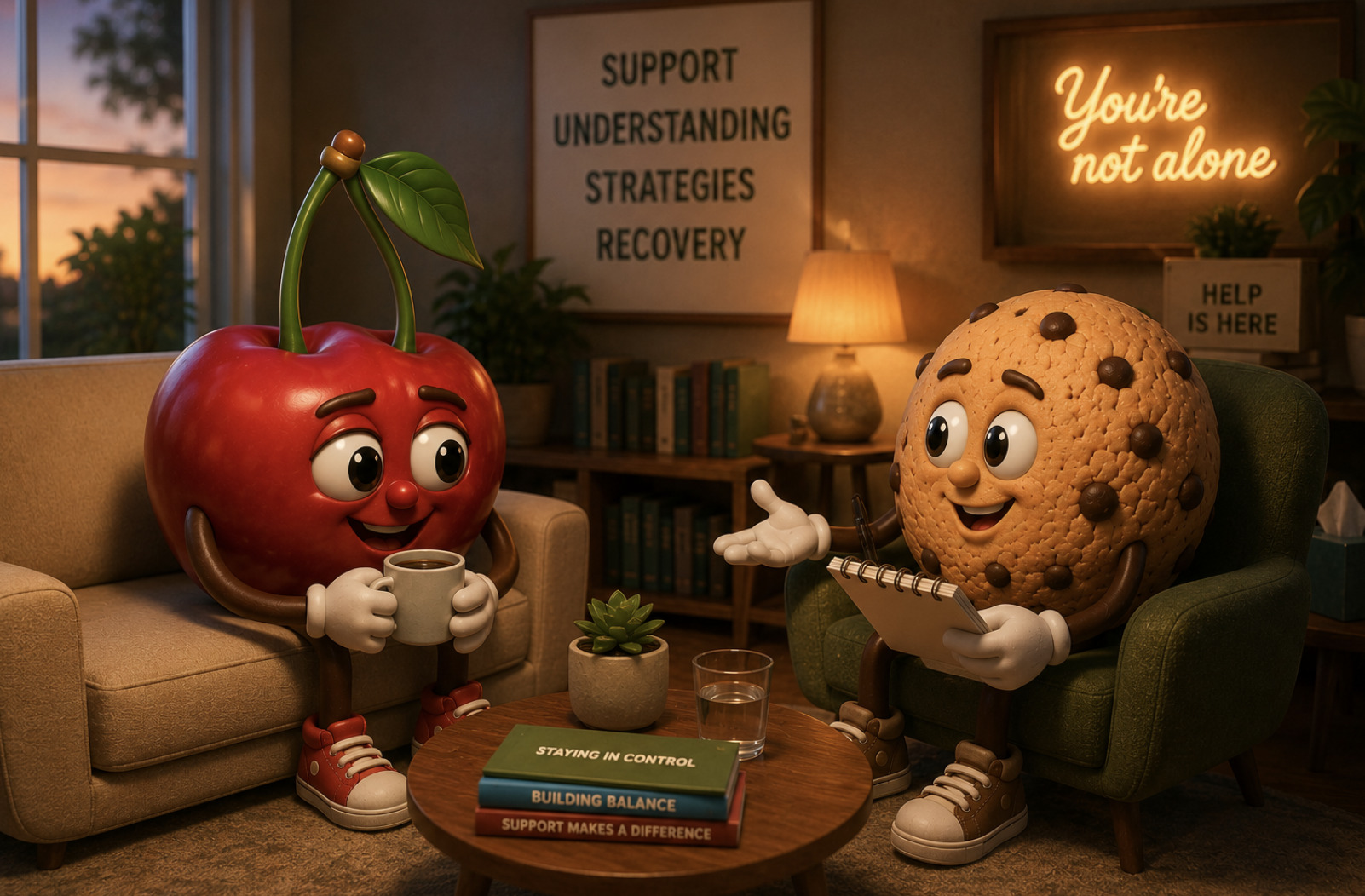
Beyond that first conversation, a range of support exists, and understanding what it looks like removes some of the mystery. Counselling, whether in person, by phone, or online, gives people a structured, confidential space to understand their gambling, address the feelings underneath it, and build practical strategies for change, guided by professionals who specialise in exactly this. Evidence shows that such support genuinely helps, and that people recover — rebuilding finances, repairing relationships, and reclaiming control — every day.
Alongside professional counselling, peer support connects people with others who have faced the same struggle, which can be powerfully reassuring for anyone who has felt alone in it. There are also practical tools that make a real difference in the moment, chief among them self-exclusion, which allows a person to formally bar themselves from gambling venues or online platforms for a period, putting a real barrier between themselves and the behaviour precisely when willpower is unreliable. Blocking gambling apps and websites, and removing easy access to money, work in the same practical spirit. The range of support means there is no single "right" path; there is a set of options, and help involves finding the combination that fits. A gathered directory of services is available through our help page.
Practical first moves you can make today
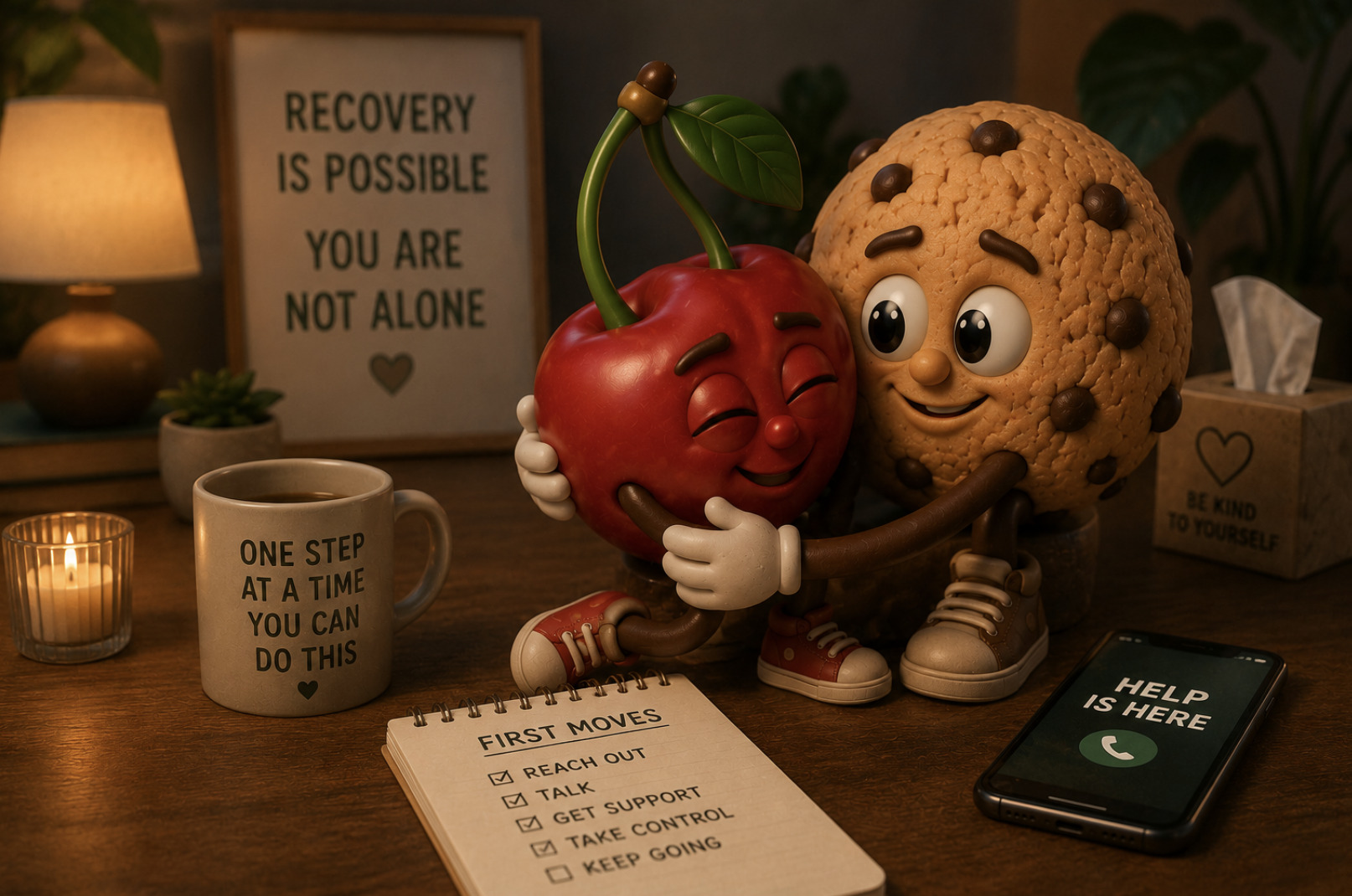
While professional support is the foundation for lasting change, there are concrete steps a person can take immediately that both reduce harm and build momentum. Removing the easy avenues to gamble is one of the most effective: installing blocking software on devices, self-excluding from the platforms and venues you use, and limiting access to the money that funds the behaviour. These create friction at the exact points where impulse would otherwise take over, and they can be done today, without waiting for anything.
Telling one trusted person is another powerful early move. Breaking the secrecy that surrounds gambling harm, even by confiding in a single friend or family member, lightens the isolation and creates a source of support and accountability. It is often terrifying to imagine and profoundly relieving to actually do. None of these steps requires having a full plan; they are things you can do now that make the situation a little safer and a little less lonely, and each one makes the next step easier. Recovery is not a single leap but a series of small, manageable actions, and these are ones available immediately.
What to expect, and what recovery really means
It helps to have realistic expectations, because recovery from gambling harm is a process rather than a switch, and understanding that protects against discouragement. Setbacks can happen, and they do not erase progress or mean that help has failed; they are a common part of the journey, and support systems are built to help people through them rather than to demand perfection. The goal is not flawless, immediate transformation but steady movement toward control and wellbeing, with help along the way.
It is also worth holding onto the fact that recovery is genuinely possible and genuinely common. People do rebuild their finances, restore the trust in their relationships, and find that gambling loosens its hold on their lives. The distress that feels permanent in the depths of a gambling problem is not permanent, and reaching out is how the change begins. This is a sensitive subject, and no article can replace personalised support; if any of this resonates, the most important thing you can do is make that first low-pressure contact.
Conclusion
The first steps toward getting help for gambling harm are far less frightening than the imagination makes them, and they are where recovery starts. The hardest step is simply admitting to yourself that something is wrong — an act of courage, not weakness — and breaking the silence that shame imposes. Reaching out can be as small and safe as a confidential phone call that commits you to nothing, and from there a range of support opens up: counselling that genuinely works, peer connection, and practical tools like self-exclusion and blocking that create real barriers in the moment. Concrete first moves — removing access, telling one trusted person — can be made today and build momentum toward lasting change. Recovery is a process with setbacks, but it is real and common, and it begins the moment a person reaches out.